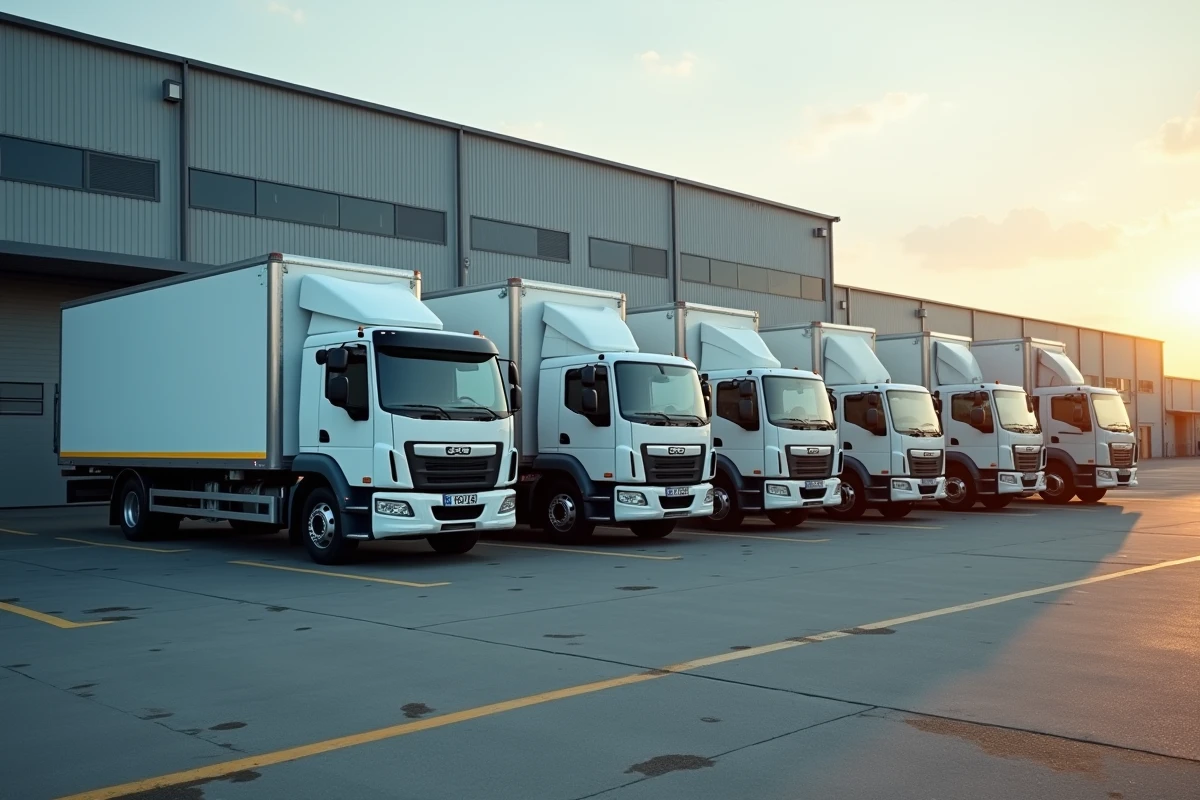
The overall width of a utility vehicle determines its ability to transport entire pallets, furniture, or bulky equipment without wasting space. This criterion, often overlooked in favor of loading volume or payload, directly influences loading efficiency and traffic constraints in urban areas. This ranking brings together the five models whose interior or exterior width places them among the most imposing utility vehicles on the market.
1. Mercedes Sprinter: the reference size in large vans
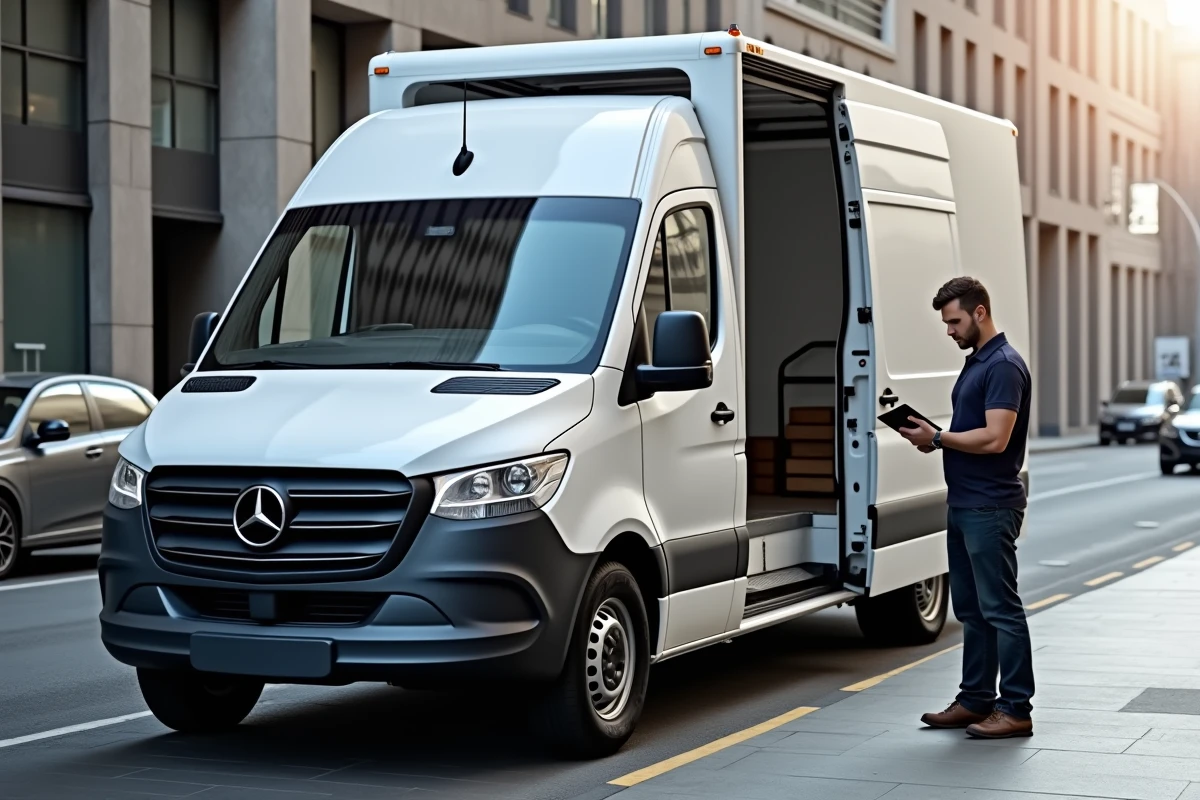
The Mercedes Sprinter stands out as the van with the largest exterior dimensions in its category. Its width, excluding mirrors, exceeds that of most of its direct competitors, resulting in an interior loading space among the most spacious in the segment of utility vehicles over 3.5 tons.
This interior width allows for loading two euro pallets side by side without forcing, a decisive advantage for logistics and goods transport. The available engine options in diesel or electric version (eSprinter) offer rare versatility for a vehicle of this size.
The trade-off for these dimensions is felt at tolls and parking. A utility vehicle of this size shifts into a higher class on highways and complicates access to underground parking. To compare the width of the largest utility vehicles, the Sprinter remains the benchmark against which other models are measured.
2. Fiat Ducato: width serving layout
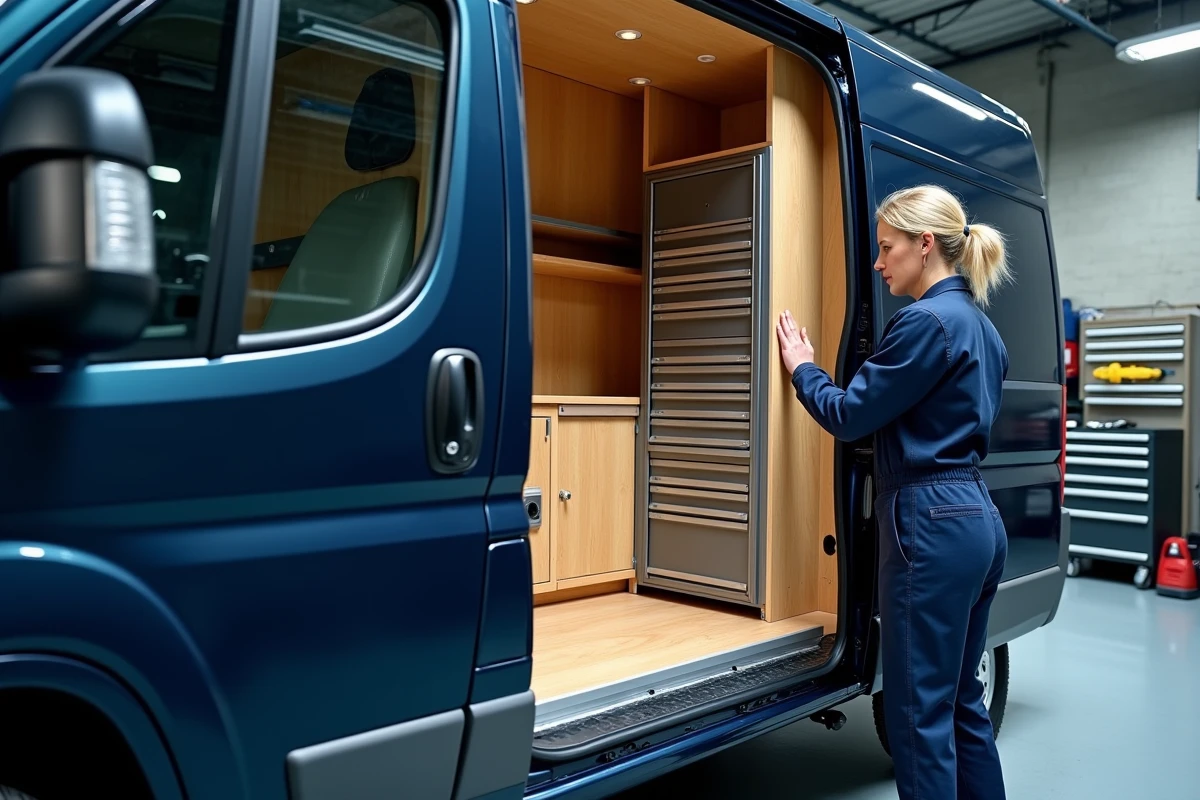
The Fiat Ducato occupies a unique position in the large van segment. Its interior width between wheel arches is among the largest, making it the preferred base for motorhome and workshop vehicle converters.
Available in several lengths and roof heights, the Ducato allows for configuring a usable space suited to very different trades. Building contractors can load drywall flat, while camper van rental companies utilize every centimeter of width to install a transverse bed.
The Ducato’s platform is shared with the Peugeot Boxer and Citroën Jumper, but the interior dimensions vary slightly depending on the versions. The Ducato remains the one offering the widest range of standard configurations, with options for widened side doors that facilitate loading bulky items.
3. Renault Master: a useful volume designed for professionals
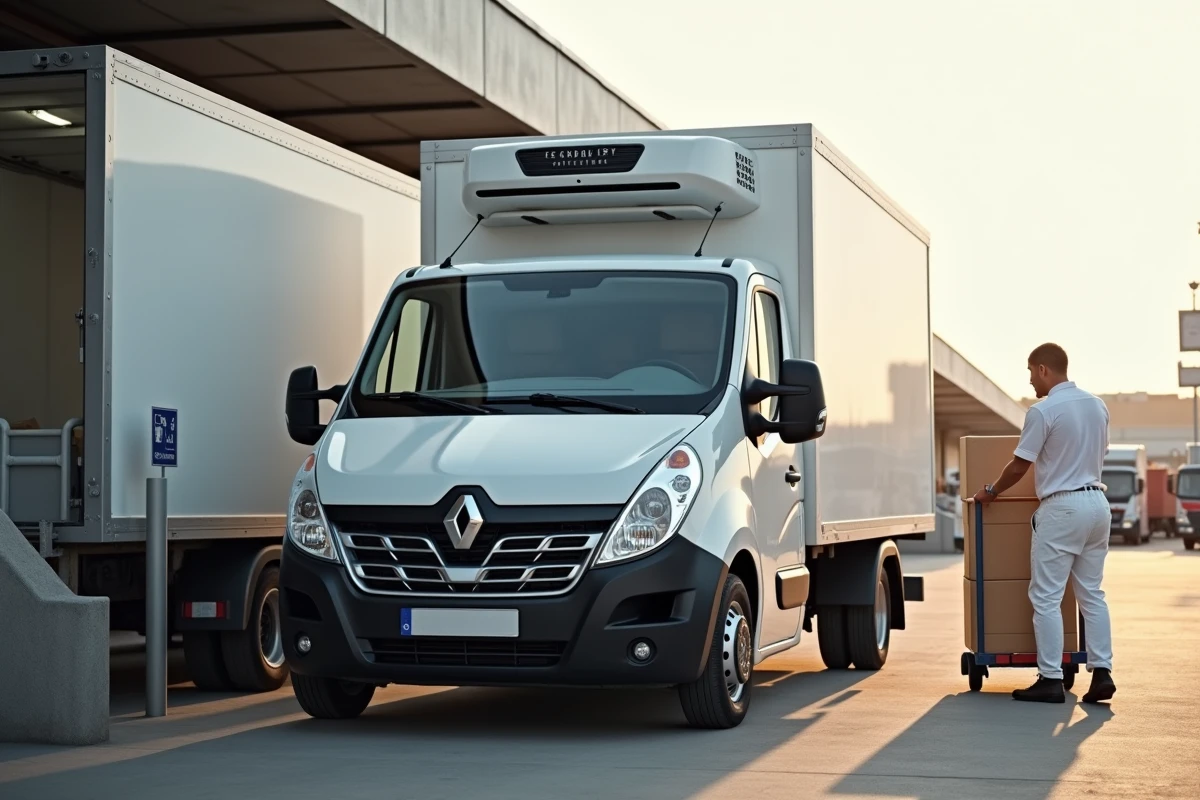
The Renault Master, in its Grand Volume version, offers a useful floor width that rivals the Sprinter. Its latest generation has been redesigned to maximize interior space without significantly increasing the footprint.
Several elements distinguish the Master based on width:
- A flat and low floor that facilitates loading pallets and rolls
- Vertical interior walls reducing lateral space loss
- A chassis-cab version allowing for even wider custom bodies
The electric version of the Master (E-Tech) maintains the same loading dimensions as the diesel version, making it one of the few large electric utility vehicles that does not sacrifice any useful volume. For urban fleets subject to ZFE restrictions, this is a significant advantage.
4. Peugeot Boxer: the technical twin with a competitive price
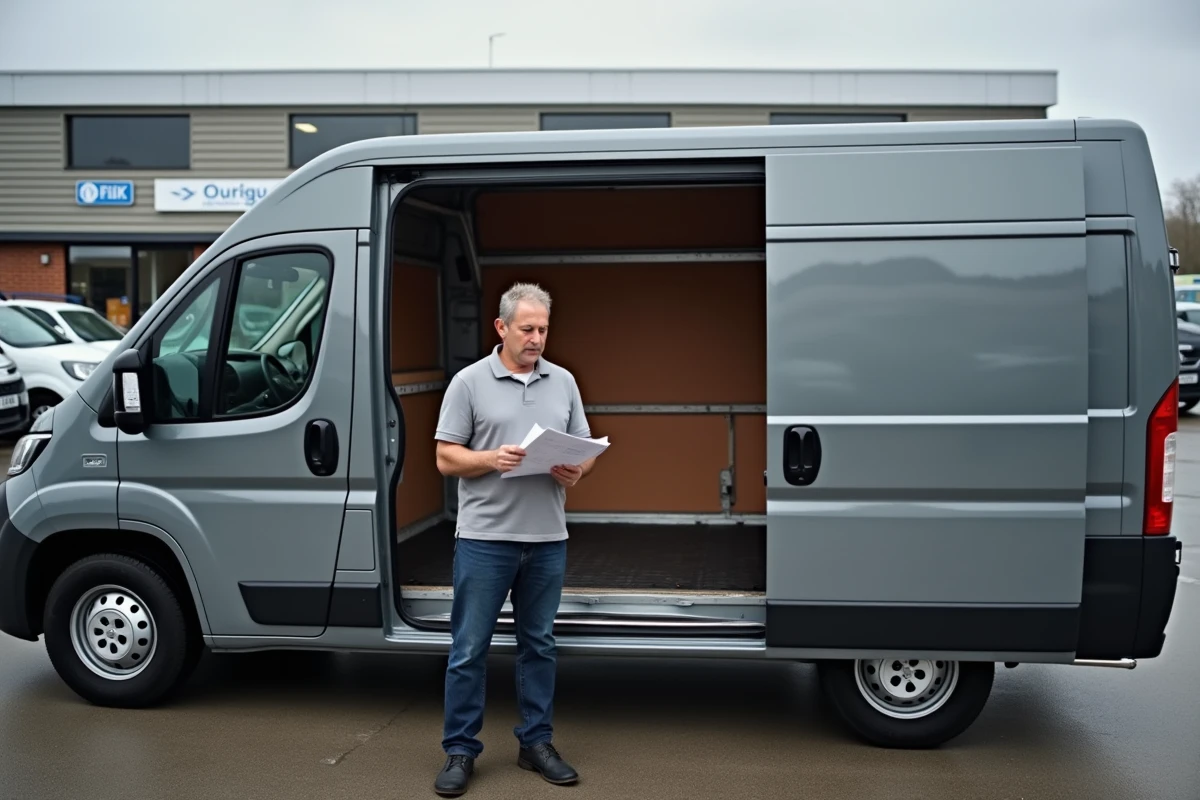
The Peugeot Boxer shares its platform with the Fiat Ducato, giving it nearly identical interior dimensions. Its width between wheel arches places it high in the ranking of the most spacious vans, just a few millimeters behind the Ducato.
The difference lies in the pricing and standard equipment. Peugeot offers trims focused on driving comfort (touchscreen, parking assistance, adaptive cruise control) that make long delivery days less tiring.
The Boxer is available in the L4H3 version, the most voluminous in the catalog, with a useful length and height under the roof that complement its generous width. This configuration is particularly appealing to movers and furniture transporters, for whom every centimeter counts. The dense Peugeot after-sales network in France provides a practical advantage for the regular maintenance of a fleet.
5. Ford Transit: modularity in XXL size
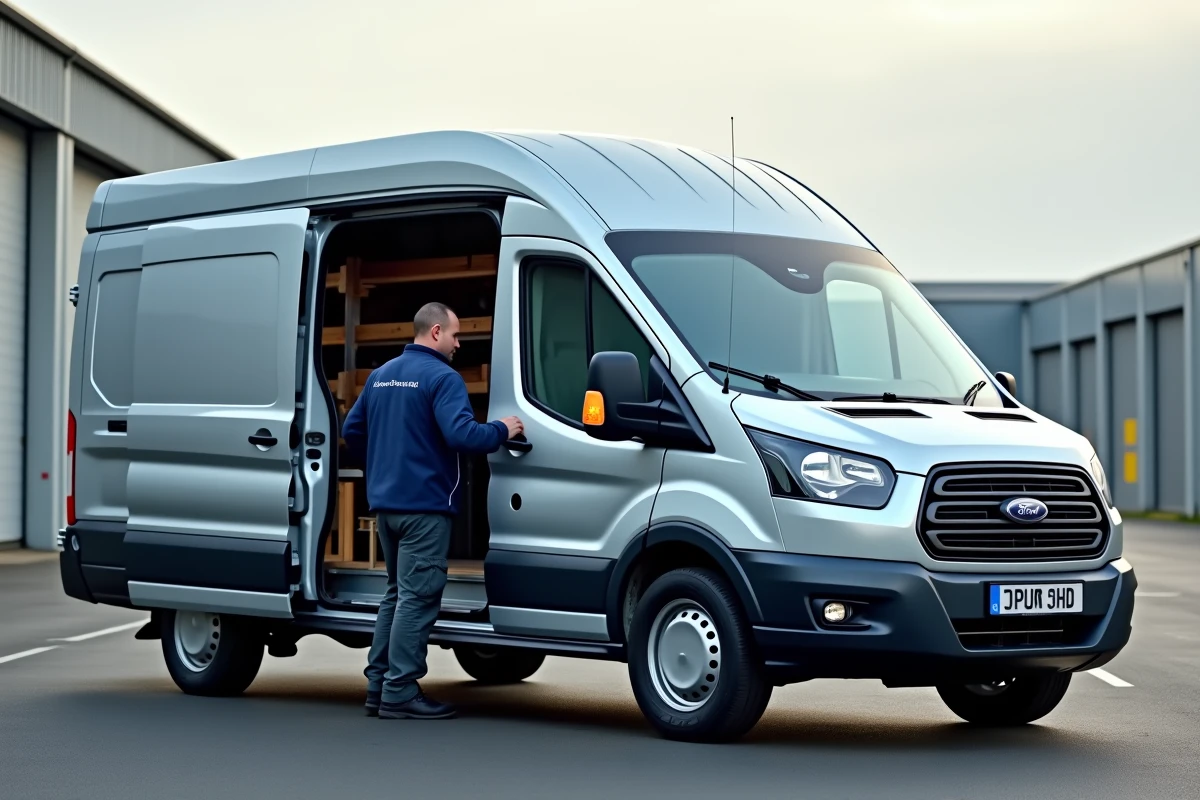
The Ford Transit, in its L4H3 variant, has exterior dimensions comparable to those of the Sprinter. Its loading width allows for two euro pallets side by side, a criterion met only by the largest vans on the market.
Ford designed the Transit with particular attention to the rigidity of the cargo cell. The tie-down points integrated into the walls and the reinforced laminated wood floor facilitate the installation of modular storage systems without drilling into the body.
The Transit range is also available in Custom (more compact) and Courier (vanette) versions, but only the large volume version qualifies for this ranking of the widest utility vehicles. Ford also offers a plug-in hybrid engine on certain versions, combining imposing size with access to low-emission zones.
The choice between these five models depends on the profession and daily constraints. A mover will prioritize the gross interior width of the Ducato or Boxer, while an urban logistician will turn to the Master E-Tech or the hybrid Transit. Utility vehicles exceeding 2 m in height shift into class 2 at tolls, a financial parameter to consider right from the calculation of the total cost of ownership.