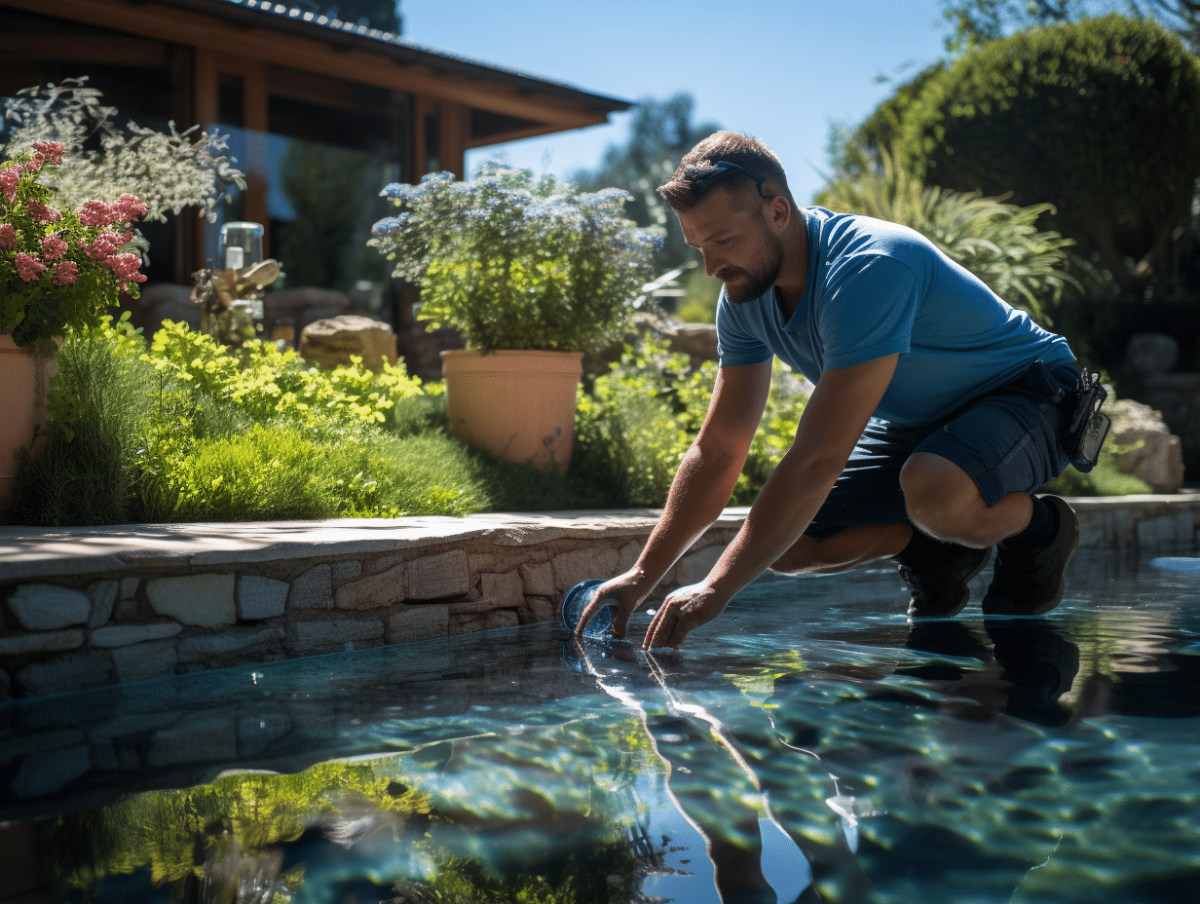
Regular maintenance of pool water is essential to ensure safe and enjoyable swimming. Water chemistry plays a fundamental role in this process, involving the balance of pH, control of alkalinity, and management of disinfectant levels such as chlorine. Understanding chemical interactions may seem complex, but it is key to preventing algae growth, equipment corrosion, and skin irritations. Pool owners must therefore familiarize themselves with the fundamentals of water chemistry to maintain a healthy and inviting pool throughout the swimming season.
The Fundamentals of Pool Maintenance and Water Chemistry
Maintaining the pH between 7.2 and 7.8 is essential for maintaining the water quality of a pool. An unbalanced pH can lead to discomfort for swimmers, such as eye or skin irritations, and can affect the effectiveness of disinfectants. Regular pH measurement is therefore an unavoidable task for pool owners, who must adjust levels using specific products in case of drift.
Water filtration, on the other hand, is the process by which impurities are removed from the pool. The pool undergoes this filtration continuously, which is essential to prevent the accumulation of debris and maintain clear and healthy water. Special attention must be paid to the maintenance of the filtration system, including regular cleaning and periodic replacement of filters, to ensure its proper functioning.
The question of chlorine’s lifespan in a pool is often raised. How long does chlorine evaporate in a pool? Several factors influence this duration, including sun exposure, water temperature, and the presence of contaminating agents. It is necessary to regularly test the chlorine concentration and adjust treatment based on the results obtained to ensure continuous and effective disinfection.

Strategies and Products for Effective Pool Water Treatment
Chemicals, the backbone of pool water treatment, require careful selection and application. Among the most commonly used disinfectants, chlorine dominates due to its ability to eliminate bacteria and algae. Shock chlorination, a high dose applied in situations where the water is particularly compromised, is a standard procedure to restore water safety. Meanwhile, bromine serves as an alternative for those seeking effective disinfection that is gentler and less irritating to the skin and eyes.
Beyond traditional disinfectants, innovative technologies are gaining ground. Salt electrolysis, which generates chlorine from salt dissolved in water, offers an alternative to manual chemical management. The use of UV and ozone systems for water purification also represents an effective strategy, as these methods reduce reliance on chemicals and vigorously target pathogenic microorganisms.
Other less common but equally promising options include PHMB, a chlorine-free substance that acts against microorganisms, and active oxygen, known for its high oxidizing potential and minimal environmental impact. These alternatives represent future pathways for eco-conscious pool owners. Each pool, unique in size, use, and environment, requires a tailored adaptation of treatment strategies and products.