Precision in cooking is often the key to a successful recipe, especially when it comes to baking or delicate preparations. Having the right measuring techniques can make all the difference between a light and perfect cake and a culinary disaster. Experienced chefs know this well: mastering the art of measurements is essential. Whether using standard measuring utensils, understanding the importance of weighing ingredients, or knowing how to effectively convert measurement units, several tips can transform your cooking experience and ensure consistent and delicious results.
Mastering Measurement Units: The Secret to Foolproof Recipes
Knowledge of measurement units is fundamental for anyone aspiring to excellence in cooking. Tablespoons, teaspoons, cups, and liters form the foundation of commonly used measurements. A telling example: a tablespoon is precisely 15 ml, while a teaspoon represents about 5 ml. The standardization of these units provides a reliable basis for accurate and reproducible measurements.
The diversity of utensil capacities, especially in France, introduces a variable that should not be underestimated. Cups, for example, vary in capacity and, consequently, in weight: a cup of flour weighs 130 grams, sugar 245 grams, butter 240 grams, and cocoa 120 grams. The homogeneity of measurements therefore requires careful calibration of these containers.
Converting centiliters to milliliters may seem trivial, but what about converting 40 cl to grams? This question does not have a single answer, as ingredients have different weights for the same volume. While 1 liter of water weighs one kilogram, 40 cl of another ingredient will require a specific conversion table or a calculation based on its density.
The practice of converting recipes, an inevitable consequence of culinary globalization, therefore requires flawless precision. To succeed, master your measuring tools and understand the equivalences between different units. The tips for cooking accurately involve a good knowledge of the specifics of each ingredient and correct use of measuring utensils. Take the time to learn these equivalences and the relationships between units: your rigor will be rewarded with the success of your dishes.
Alternative Measuring Tools: How to Manage Without a Scale or Measuring Cup
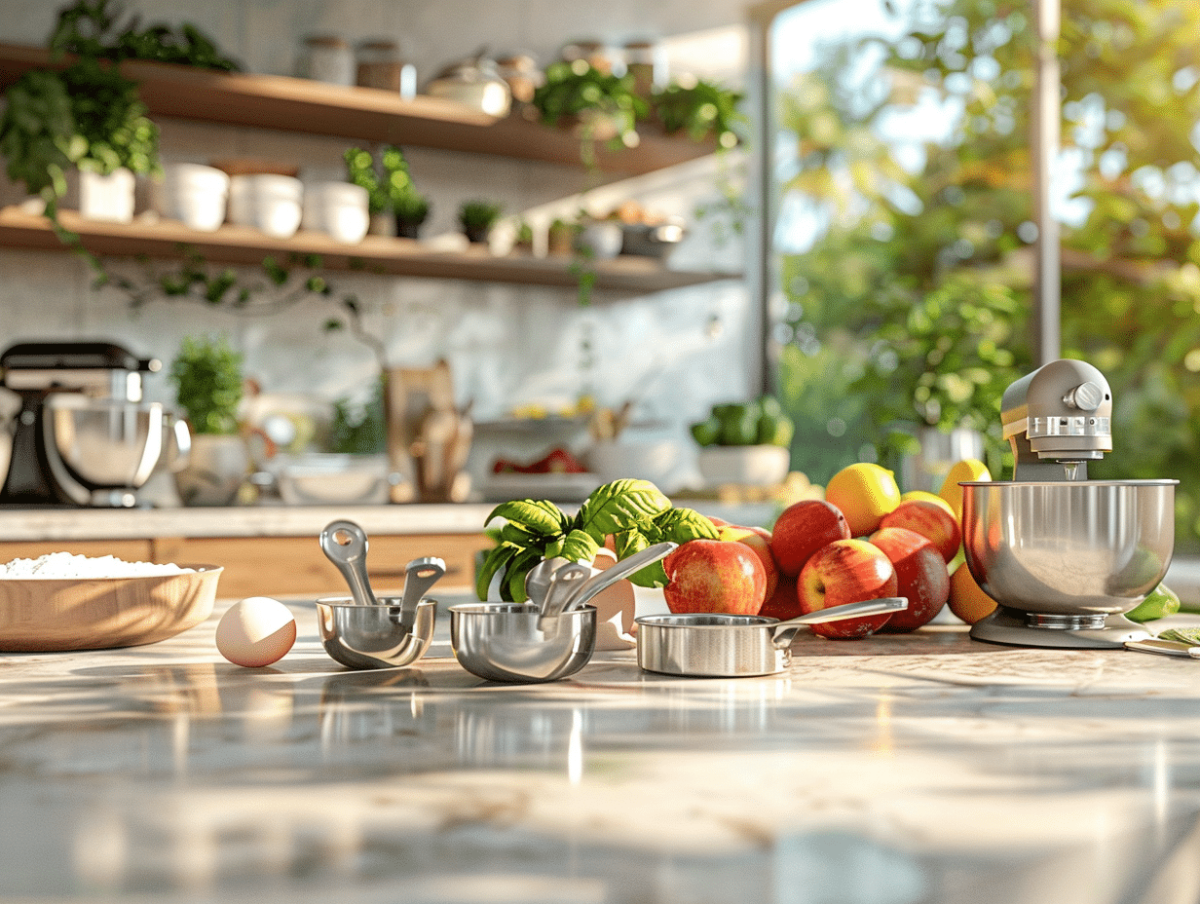
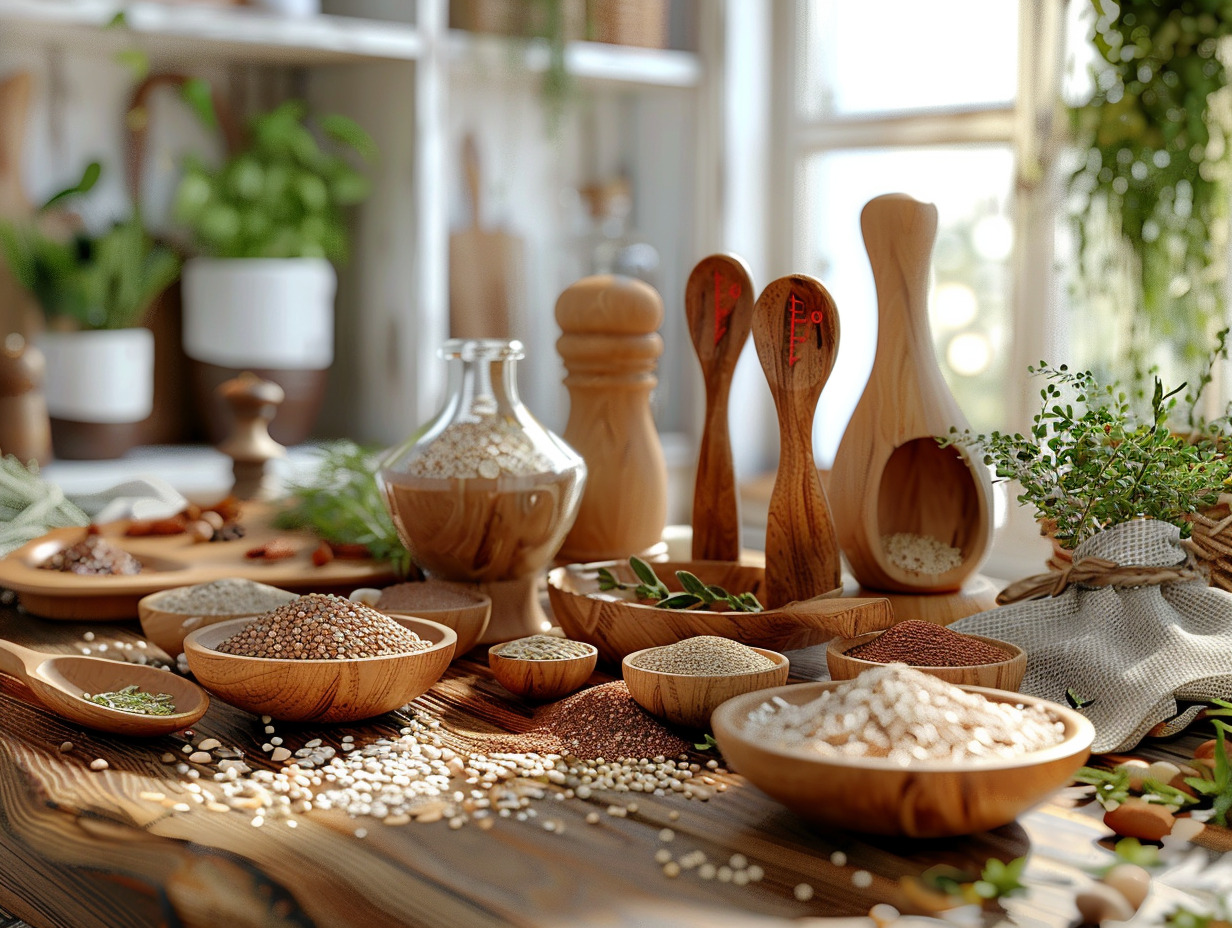
In the world of cooking, where precision reigns, the absence of a scale or measuring cup may seem like an insurmountable obstacle. Alternative methods exist for home cooks lacking these instruments. Alternative measuring utensils, such as standardized spoons or cups, can effectively replace traditional measuring tools. These standard measuring kits, often available in plastic, stainless steel, or copper, provide a satisfactory approximation for the most common ingredients.
Given the variable capacity of cups and spoons, a pragmatic approach is necessary. Weigh once and for all, using an available scale, the quantities corresponding to these containers and note them down. You will create your own conversion table, tailored to your utensils, which will be your reference for measuring without a scale. This method will allow you to faithfully reproduce your recipes, even in the absence of digital tools.
For the resourceful, some empirical rules can be adopted. For example, a pinch corresponds to the amount of powder that can be held between two fingers, a standard mustard glass equals about 200 ml, and a medium bowl holds 250 ml. These tips for weighing without a scale make life easier for occasional cooks and promote the development of a sense of proportions.
For the most precise results, nothing replaces experience and knowledge of your tools. Familiarity with the weight and volume of the most commonly used ingredients will allow you to adjust quantities ‘by eye,’ a skill appreciated and often developed by renowned chefs. Cooking, tips for succeeding without modern instruments thus becomes an art where flair and practice hold a prominent place alongside scientific rigor.