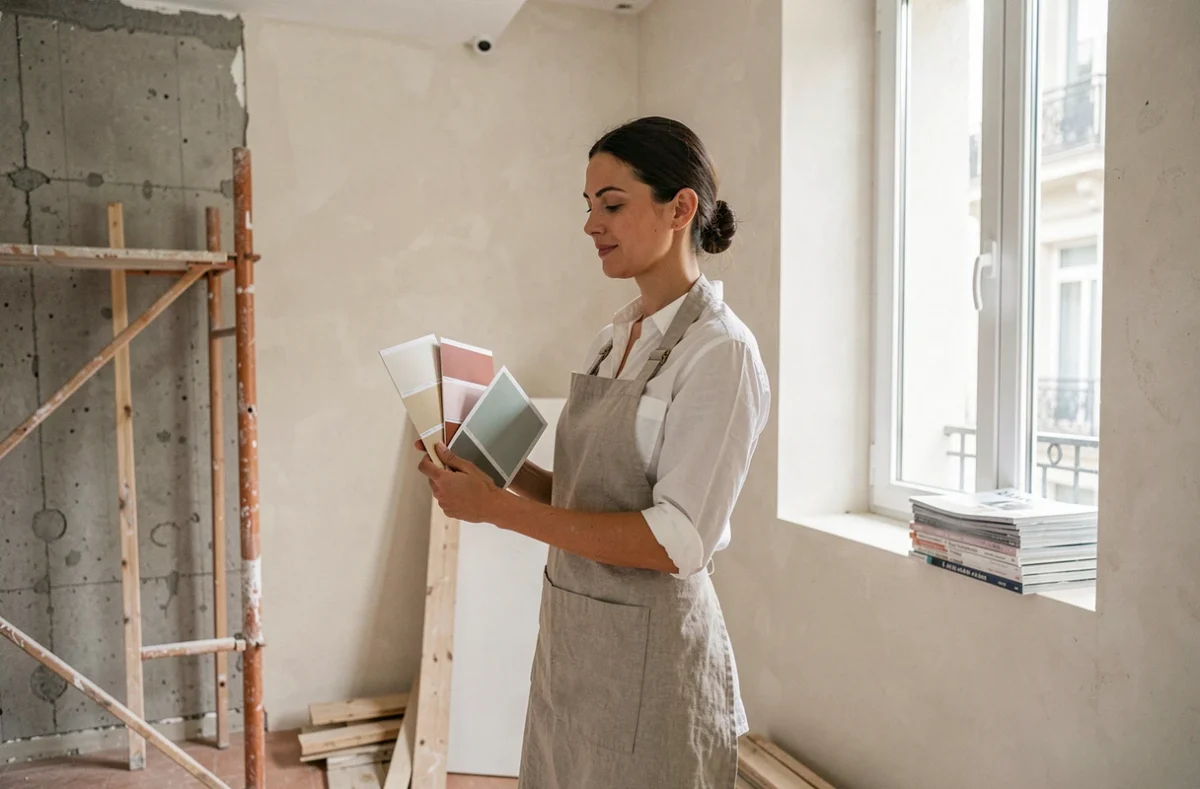
The renovation of a house in 2026 is no longer limited to choosing paint or flooring. It involves technical decisions, particularly regarding heating and insulation, which directly affect access to financial aid. Understanding these constraints before considering decoration avoids costly surprises during the project.
Renovation and financial aid: what MaPrimeRénov’ requires before decorating
Before choosing colors or materials, the first question to address concerns the heating system. Since September 1, 2026, according to Qualitel, a significant renovation in a single-family home is no longer eligible for MaPrimeRénov’ if gas or oil heating or hot water is retained after the work. This rule changes the game for many homeowners who were planning to renovate room by room.
The financing pathway by gesture has also tightened. Qualitel reports that several categories, including insulation and ventilation, have been removed from this pathway in metropolitan areas since the same date. In practical terms, planning an attic insulation or a VMC change as isolated work no longer guarantees aid.
The MaPrimeRénov’ portal experienced suspensions and reopenings in 2025, within a temporarily tightened framework. Checking the applicable conditions at the time of application submission, rather than relying on an old quote, remains the most cost-effective precaution.
This regulatory framework directly influences the budget available for the decoration part, which comes at the end of the project. On the Salon de la Maison website, the various sectors of construction and design are represented, allowing for the intersection of technical and aesthetic issues from the design phase.
Color palette and natural materials for interior decoration
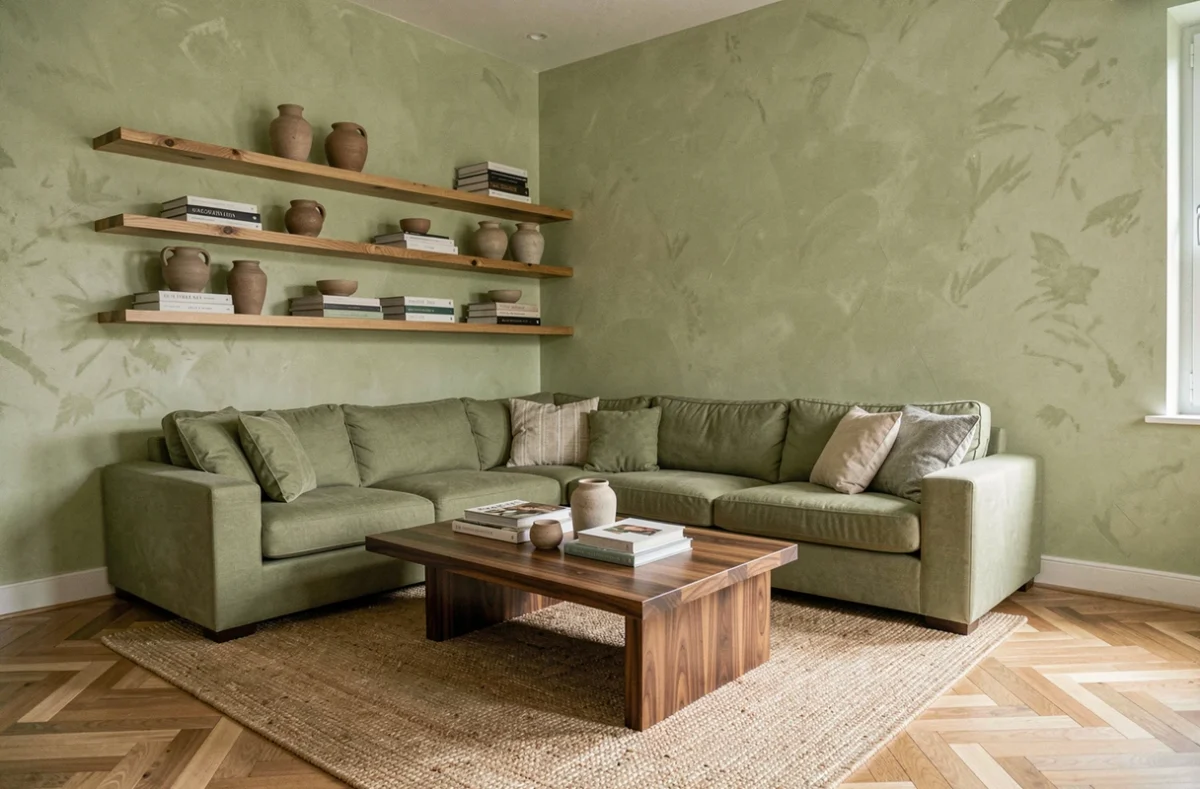
Once the technical aspect is stabilized, the choice of colors becomes the most visible decorative lever. Earthy palettes dominate: clays, golden sands, terracotta. These shades are not just a passing trend. They respond to a search for warmth in interiors that are often open and bright, where white alone can seem cold.
Raw wood and natural stone remain the reference materials to anchor a space in a sustainable aesthetic. Wood provides a texture and acoustics that synthetic materials cannot replicate. Stone, used as cladding or countertops, ages without going out of style.
Combining colors and natural light
The color of a wall changes radically depending on the orientation of the room. A warm ochre in a north-facing room compensates for the lack of direct light. The same ochre in a south-facing room can saturate the space and tire the eye.
Before finalizing a shade, applying a sample to the relevant wall and observing it at different times of the day remains the most reliable method. Digital color charts provide an indication, not a certainty.
Renovation of walls and floors: choosing a style that withstands daily wear
The decoration of a renovated house must contend with a constraint that magazines rarely show: wear and tear. A wall covering or floor chosen solely for its aesthetics, without considering foot traffic, humidity, or maintenance, loses its appeal within a few months.
Large-format ceramic tiles are essential in high-traffic areas (entrance, kitchen, bathroom). Their resistance to shocks and water makes them suitable for families. They come in finishes that mimic wood or polished concrete, without their maintenance drawbacks.
For walls, high-end matte paint offers a deeper finish than satin, but does not handle fingerprints well in a hallway or a child’s room. The choice of finish depends on the function of the room, not just personal taste.
- Wet areas (bathroom, laundry): prioritize waterproof materials like ceramic tiles or waterproof waxed plaster, which prevent mold problems in the medium term.
- Open living spaces (living room-kitchen): a unified floor visually enlarges the space, but plan for a transition area resistant to splashes near the cooking area.
- Bedrooms and quiet spaces: solid or engineered wood flooring provides thermal and acoustic comfort, provided a species suitable for the room’s humidity level is chosen.

Space optimization and lighting in a renovation project
Renovating a house offers the opportunity to rethink the flow between rooms. Taking down a non-load-bearing wall between the kitchen and living room remains the most common intervention, but it does not suit all lifestyles. Cooking odors, noise, and visual clutter are realities that an open plan does not resolve.
Creating partial separations (glass partitions, wooden screens, through bookshelves) allows for maintaining light while preserving a functional boundary. This is a more sustainable compromise than a completely open space.
Lighting: planning circuits before finishes
The most common mistake in renovation is choosing light fixtures after the coverings are installed. Electrical circuits must be planned in advance, with light points suited to each use:
- A general diffused ceiling light for living spaces, complemented by task lighting (reading lamps, directional spots) for work areas.
- Dimmers in the living room and bedroom, allowing for ambiance adjustment without multiplying lamps.
- Under-cabinet lighting in the kitchen, often overlooked, which transforms the usability of the countertop.
Lighting represents the area where a small investment produces the greatest decorative effect. A well-placed light fixture changes the atmosphere of a room more than a new sofa.
Renovating and decorating a house in 2026 is primarily about securing the regulatory and financial framework, then making material choices that last over time. The strongest trends are not the most spectacular: they combine natural shades, durable materials, and lighting considered from the start of the project. The rest is a matter of personal taste, which does not need any trend to express itself.