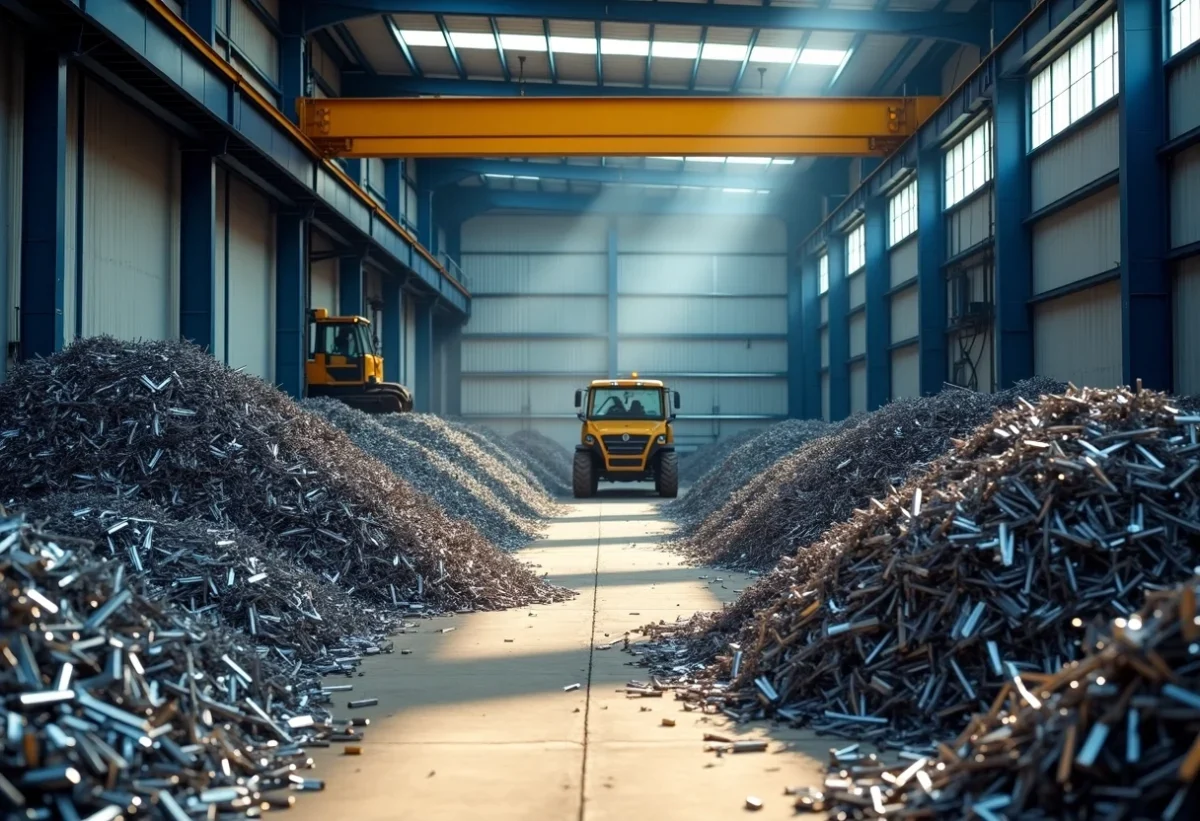
The metal recycling industry is booming, with impressive growth forecasts for 2024. Experts anticipate a significant increase in the value of recycled metals, driven by technological investments and heightened environmental awareness.
Companies in the sector are organizing to maximize the efficiency of metal recovery and processing processes, thus adapting to new ecological and economic standards. This momentum promises to redefine global markets and strengthen the raw material supply chain.
The enthusiasm for a more sustainable circular economy is pushing stakeholders to innovate and collaborate, paving the way for unprecedented opportunities in the metal recycling field.
Factors Influencing the Increase in Metal Recycling in 2024
Several factors converge to explain the anticipated increase in metal recycling in 2024. Among these, the growing demand for rare and critical metals such as copper and lithium, essential for digital technologies and the energy transition, plays a central role. The aerospace, defense, renewable energy, and new technology sectors rely on these indispensable materials.
- China dominates the refining of rare metals, creating a dependency for Europe and the United States.
- Geopolitical uncertainties and volatility in the rare metals market are major concerns for industrial players.
- The strategies and partnerships established by Europe and the United States aim to secure supply and develop robust regulations.
The environmental and ethical challenges associated with mining, particularly in countries like the Democratic Republic of Congo, Chile, and Australia, reinforce the need to prioritize recycling. The valorization of metal waste thus becomes a fundamental step to meet demand without depleting natural resources.
Companies like Derichebourg, with initiatives such as adjusting the Derichebourg scrap prices, illustrate this dynamic by adapting their strategies to maximize the recovery and valorization of metals. These adjustments allow for effective responses to market fluctuations and environmental requirements.
The combination of these factors, from geopolitical dependency to regulatory efforts and technological innovations, outlines a promising landscape for metal recycling in 2024. 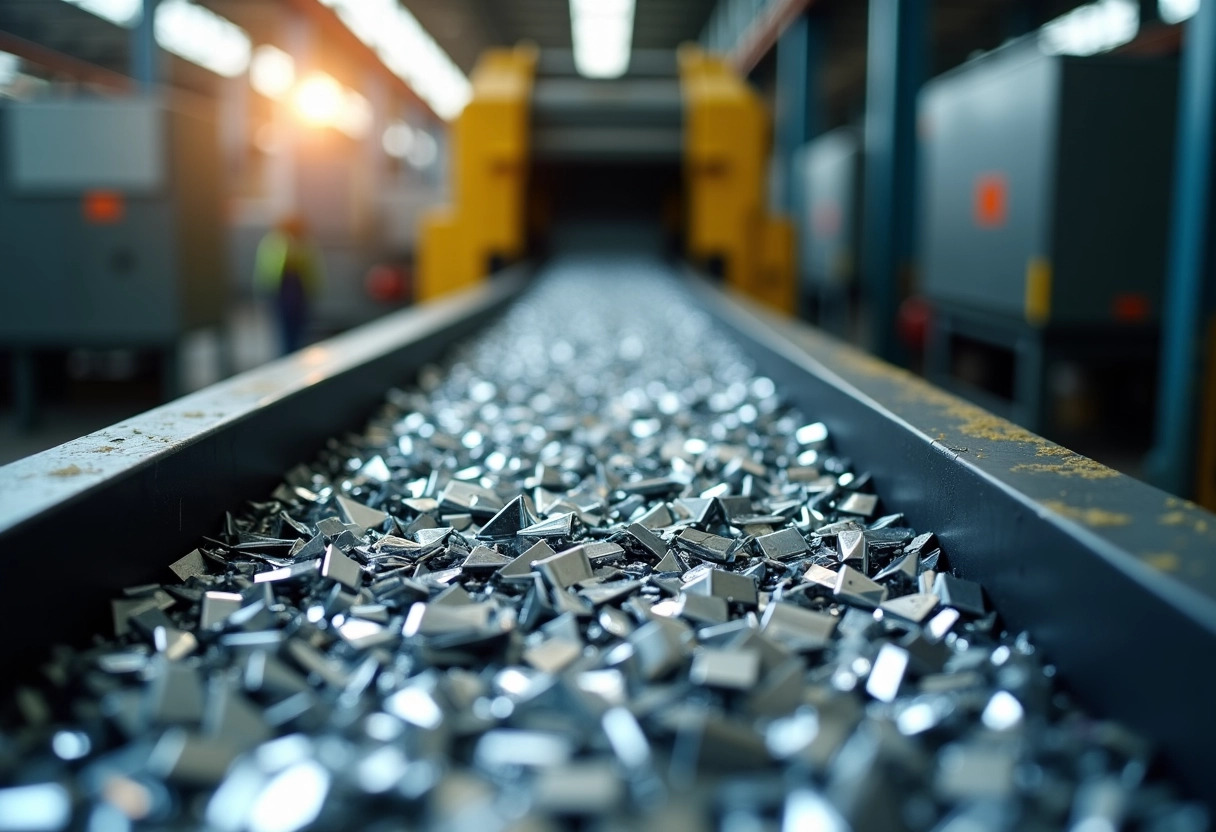
Value Forecasts and Economic Outlook for 2024
Forecasts for 2024 show significant variations in the prices of rare and critical metals. The terbium, for example, could see its price tripled due to the growing demand for permanent magnets used in clean technologies and electric vehicles.
In contrast, dysprosium, another rare earth element, may experience a price drop due to new substitution technologies developed by industrial players.
- Gallium and germanium will remain stable, supported by the needs for semiconductors and solar panels.
- Batteries and catalytic systems will continue to drive demand for lithium and graphite.
High interest rates and the restrictive monetary policies of central banks will also influence the market. Investments in recycling infrastructure and processing technologies will be crucial to maintain supply in the face of increased demand.
| Metal | 2024 Value Forecast |
|---|---|
| Terbium | Tripled |
| Dysprosium | Drop |
| Gallium | Stable |
Consilium Europa and the European Commission have announced support measures to encourage the transition to a circular economy, focusing on waste management and metal recycling. These initiatives are expected to strengthen the resilience of supply chains and reduce dependence on imports.