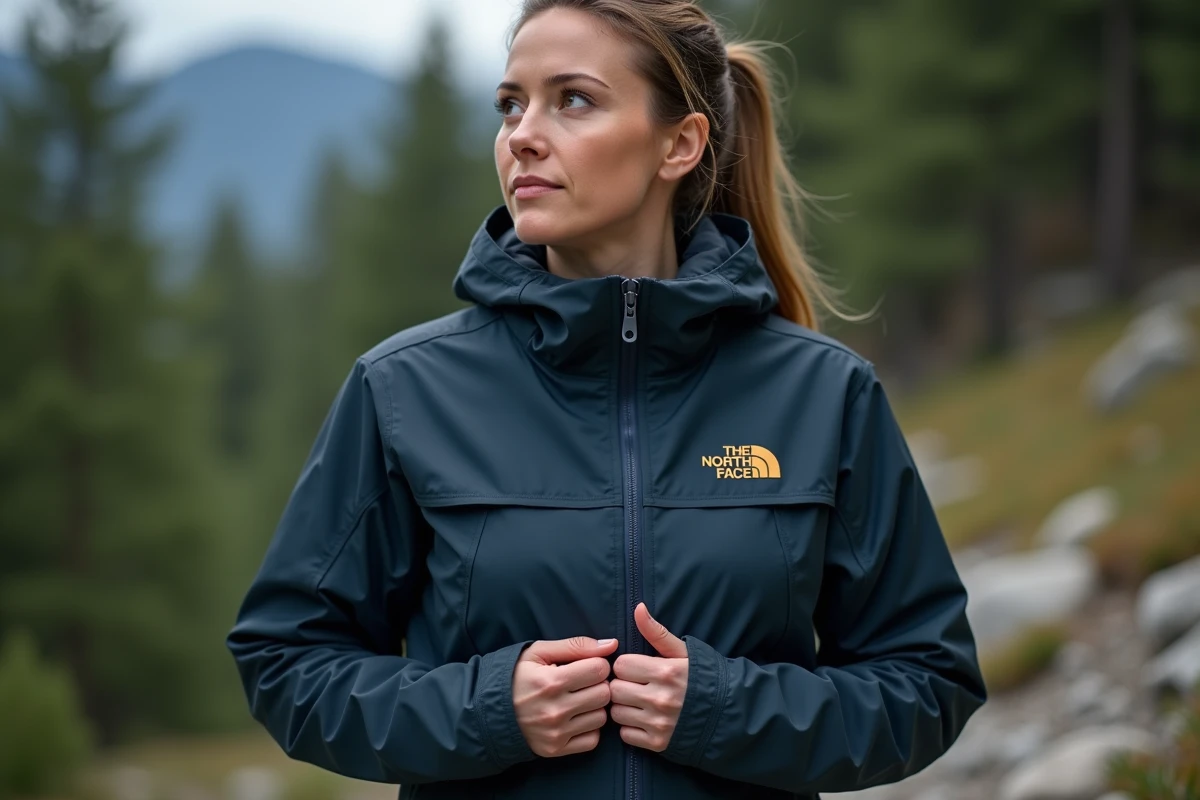
A The North Face down jacket often costs as much as a weekend in the mountains. The price displayed on the label is surprising, especially when compared to other outdoor brands available in France. However, several concrete mechanisms explain these high prices, and not all are related to the quality of the finished product.
Price Repositioning Strategy at VF Corporation
Before discussing fabric or stitching, we need to look at the parent company. The North Face belongs to VF Corporation, a group that also owns other outdoor and lifestyle clothing brands.
In its 2023-2024 annual reports, VF Corporation announced a clear strategy for upward price repositioning for its strategic outdoor brands, including The North Face. This price increase aims to offset the rising costs of raw materials, maritime transport, and the decline in wholesale distribution volumes.
In other words, part of the price you pay does not reflect an improvement in the product. It protects the group’s margins in a tense economic context. As detailed in a price analysis of The North Face on Free Sport, the current pricing policy is partly defensive rather than solely related to quality.
This distinction changes the perception of the price. When a jacket moves from one season to the next with the same fabric, the same finishes, but a higher price, the increase finances the group’s structure, not the product.
Technical Fabrics and The North Face Ranges: What You Are Really Paying For
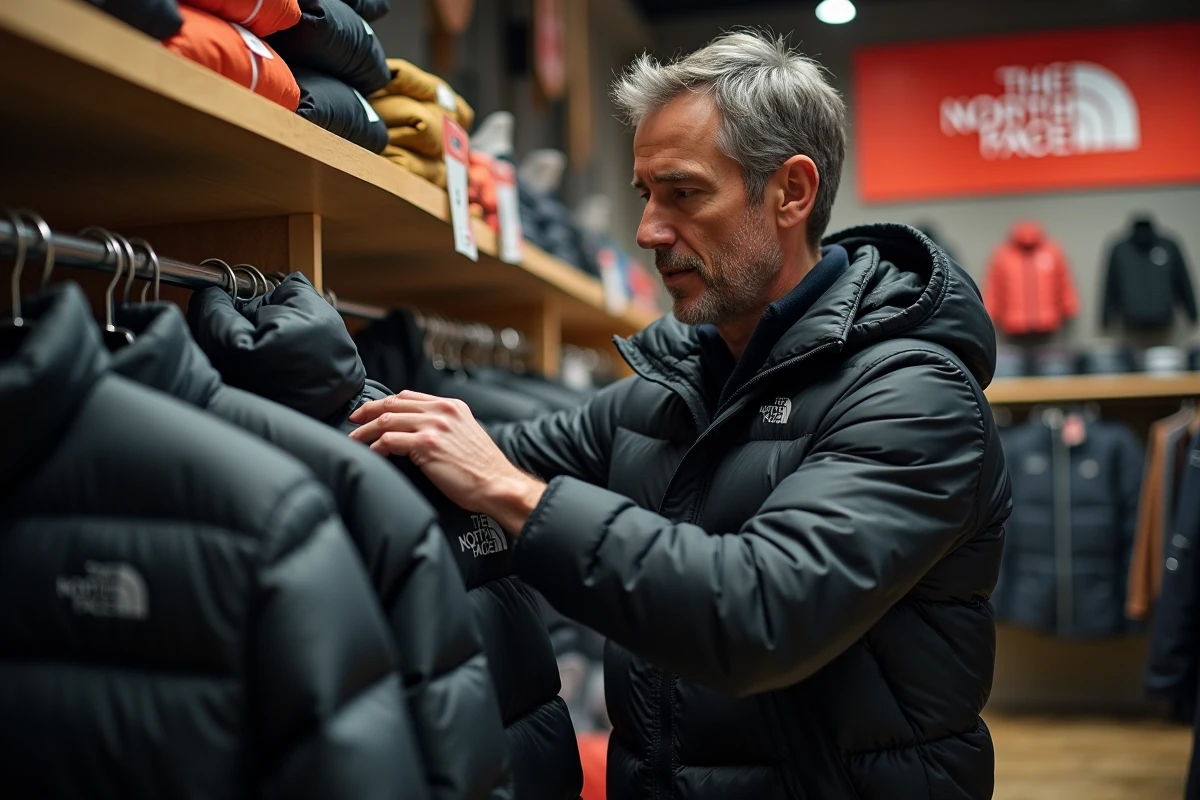
Technically, The North Face uses recognized waterproof and breathable membranes, especially in its hardshell jacket ranges and insulated down jackets. The brand offers several levels of ranges, from urban entry-level to the Summit Series line designed for mountaineering.
Materials That Justify an Extra Cost
High-end models incorporate multilayer membrane fabrics, heat-sealed seams, and certified down insulation. These elements actually cost more to produce than standard polyester fabric.
- Waterproof-breathable membranes require specific lamination processes, which increases the manufacturing cost compared to a simple water-repellent coating
- The down used in Nuptse or Summit jackets is sorted and certified according to animal traceability standards, a process that raises the cost of the raw material
- Waterproof zippers, waterproof closures, and reinforcements at wear points add additional manufacturing steps
The Mid-Range Problem
You may have noticed that some The North Face jackets priced around the same range as an Arc’teryx or Patagonia do not hold the same technical promises? Recent independent tests (OutdoorGearLab, Switchback Travel, I-Trekkings) show that mid and high-end The North Face models rank below specialized brands in terms of durability or breathability, while remaining in comparable price ranges.
This gap highlights a fact often overlooked: in mid-range lines, the logo weighs as much as the fabric in the formation of the price.
Eco-Design and Circularity: An Additional Production Cost
Since 2023, The North Face has been developing ranges labeled Circular Design, including some Nuptse models and the NSE collection. The principle: to design clothing that is easier to disassemble and recycle at the end of its life.
The brand has also launched The North Face Renewed, a second-hand take-back and resale program active in the United States and Europe. This type of initiative involves reverse logistics (collection, sorting, refurbishment) that generates costs absent in brands without an equivalent program.
In France, the AGEC law also imposes increasing obligations regarding environmental labeling and the management of unsold goods. These regulatory constraints are reflected in the final price, even if the consumer does not always see the trace on the product.
Eco-design increases the bill without improving immediate technical performance. It is an investment in the overall lifespan of the garment and its environmental footprint, not in its breathability or waterproofness.
The North Face Prices and Value for Money: Who Is the Brand Really Targeting?
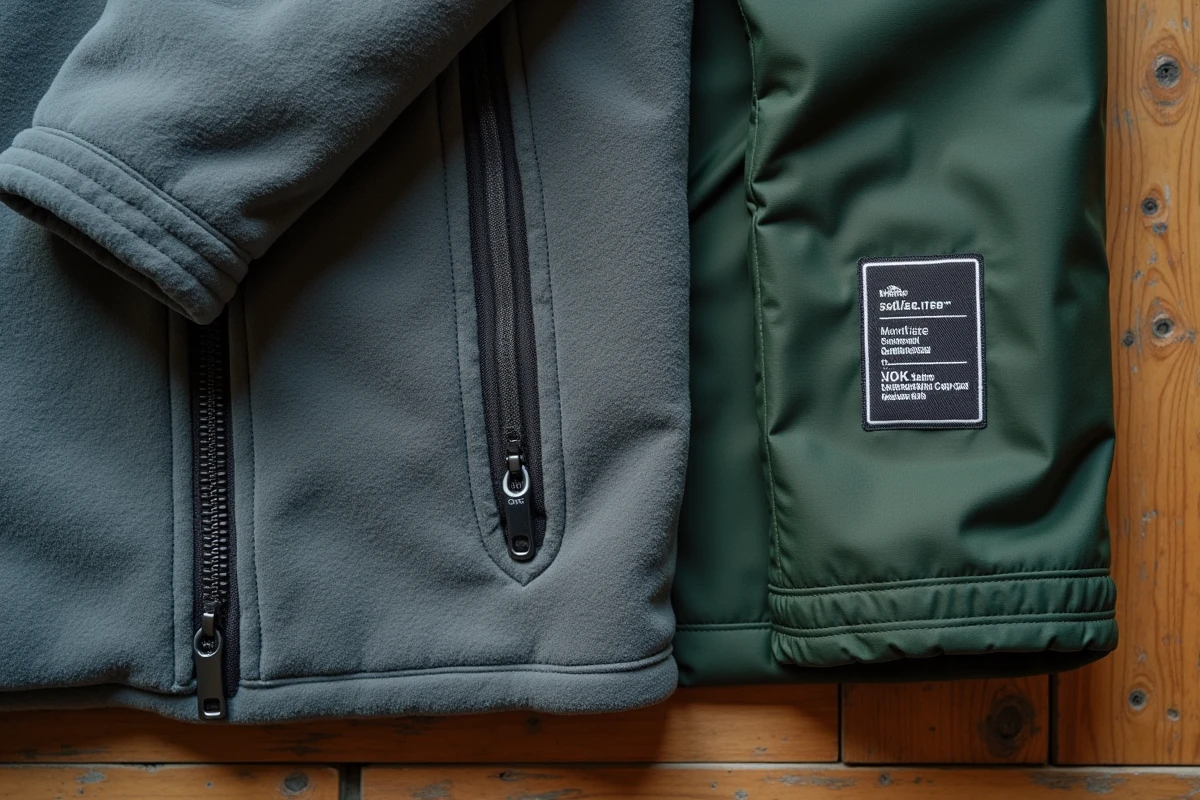
The positioning of The North Face is at a crossroads: a technical brand for outdoor practitioners and an urban fashion brand worn daily. This dual positioning blurs the reading of value for money.
For a performance-oriented purchase (skiing, mountaineering, demanding hiking), the Summit Series range remains technically competitive. On the other hand, lifestyle jackets and down jackets worn in the city offer a level of finish and technicality that does not always justify the price difference with lesser-known brands.
- If you are looking for a ski or mountaineering jacket, compare model by model with Arc’teryx, Norrona, or Patagonia based on specific criteria: weight, water column, breathability
- If you buy a Nuptse for urban use, the price mainly reflects the desirability of the brand and its image, not a technical superiority
- The second-hand market (via The North Face Renewed or platforms like Vinted) allows access to certain models at a price more in line with their actual use
The price of a The North Face garment results from a stacking: material cost, group margin, investment in circularity, and brand value. Differentiating what relates to technique and what relates to marketing positioning remains the best reflex before a purchase. In mid-range and urban lines, the brand charges for an image that other manufacturers do not pass on at the same level.