Some flower beds brave the winter, while others fade at the first frost. However, uninterrupted blooming is not just a matter of weather or latitude.
It is mainly the careful selection of plants, the arrangement of blooming periods, and the attention given to the soil that shape the true face of the garden. Thinking across multiple seasons, anticipating cycles, means accepting that each space will have its unique rhythm, far from universal recipes.
Why some gardens remain in bloom all year round: secrets and inspirations
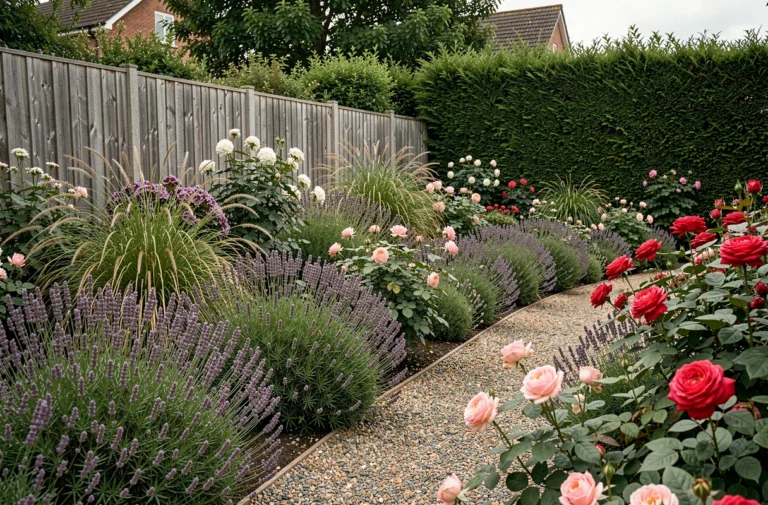
Walking through the paths of a blooming garden from January to December is not a privilege reserved for seasoned botanists. This result is achieved through a clever mix of species, staggered blooming, and thoughtful compositions. A garden consists of plants, flowers, perennials, grasses, and sometimes a few trees or even climbing vines. The alternation between perennials that return each year and annuals that offer their splendor for a short duration ensures a renewed landscape, season after season.
Creating a flowering bed is not just about accumulating flowers: it’s about playing the diversity card. Combining perennials, annuals, bulbs allows for a continuous sequence of colors and textures. Grasses, often overlooked, structure the decor and bring a sense of lightness, even when many species decline. Betting on a few evergreens provides a green framework, present even when everything else is asleep.
The silhouette of the garden asserts itself through the play of volumes, tones, and materials. Edges, planters, trellises, as well as plays of light, all contribute to highlighting each bloom, each detail. Hiring a landscaper can help, of course, but designing and maintaining your garden yourself remains within everyone’s reach, as long as you dare to experiment.
To go further, the site https://www.lejardindemilie.fr/ offers well-documented analyses and concrete ideas for structuring and maintaining a flowering garden, regardless of constraints. Exploring these resources opens the door to a more thoughtful, more creative approach, far from ready-made solutions.
Which plants to favor for a colorful garden in all seasons?
Creating a garden in bloom twelve months a year requires careful selection of the species that will occupy the space. Focusing on a wide variety of perennials, bulbs, annuals, and shrubs allows for uninterrupted blooming periods. For each plant, the soil, microclimate, and sunlight play a decisive role: what thrives in the shade of a cherry tree may not withstand full sun.
Here are some examples of plants that mark the year and structure the garden’s palette:
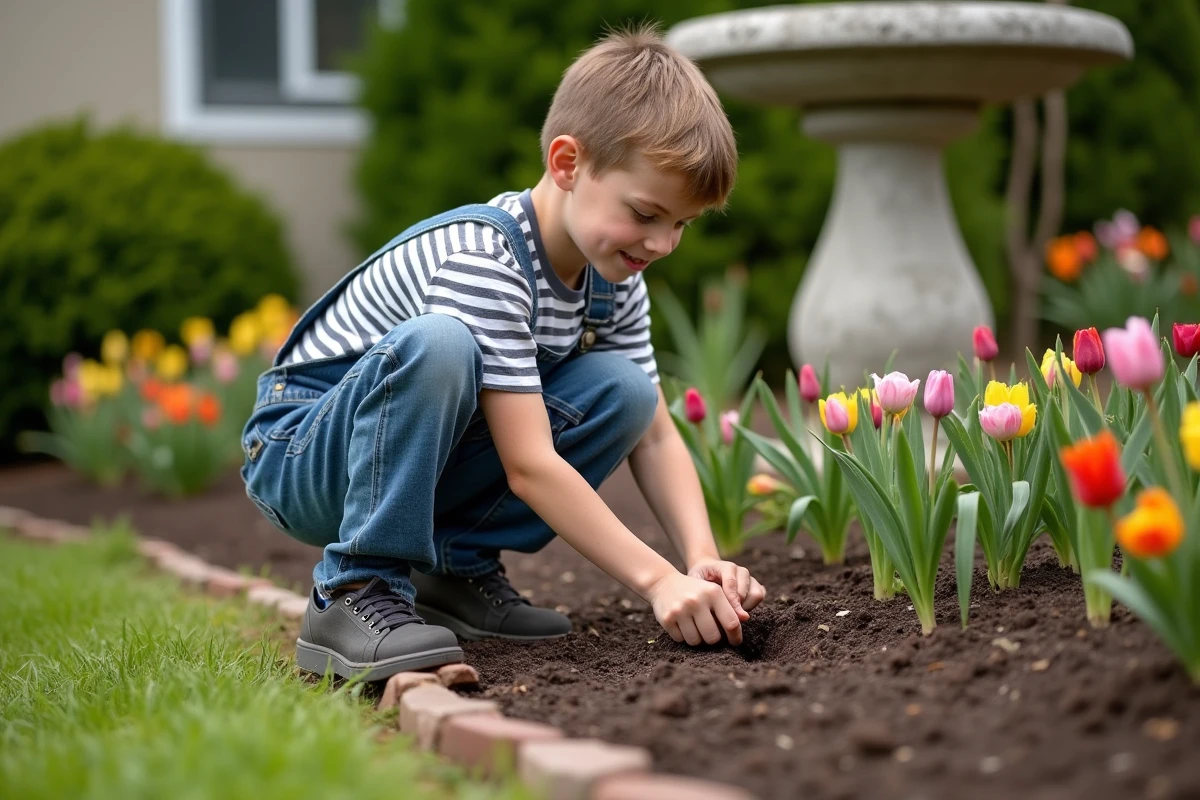
- In spring, tulips, daffodils, hyacinths, magnolias, or forsythias kick off the color celebration.
- Summer showcases geraniums, zinnias, lavenders, rudbeckias, echinaceas: true magnets for pollinating insects.
- In autumn, asters, chrysanthemums, Japanese anemones, maples, and liquidambars extend the spectacle, playing with warm hues.
- In winter, the garden is not at a standstill: snowdrops, hellebores, winter heathers, witch hazels, mahonias, and viburnums pierce through the grayness. Evergreen foliage, particularly from certain grasses and shrubs, keeps the structure alive.
Grasses lend their elegance throughout the year. Climbing plants, such as clematis, jasmine, or wisteria, dress walls and pergolas, extending the presence of flowers in vertical space. Adding some herbs or edible flowers invites diversity, fragrance, and sometimes indulgence into the beds.
Thinking about the succession of blooms ensures a garden that never tires. Varying heights, playing with color contrasts, and relying on complementary associations are the keys to a constantly vibrant display.
Simple tips for easy maintenance and a thriving garden
Keeping a garden in bloom all year round is not a miracle. A few well-chosen actions repeated over the months make all the difference. Watering remains a cornerstone: it must adapt to the weather, the nature of the soil, and the specific needs of each plant. Installing an automatic watering system or opting for micro-irrigation ensures precise water delivery, minimizing waste and protecting roots during dry spells.
Mulching serves multiple roles: it protects the soil, slows evaporation, hinders the growth of unwanted weeds, and enriches the soil as it decomposes. Prefer organic materials like wood chips, straw, or fallen leaves. This layer reduces the time spent weeding and stimulates soil life.
Here are some actions not to overlook to maintain the garden’s vitality:
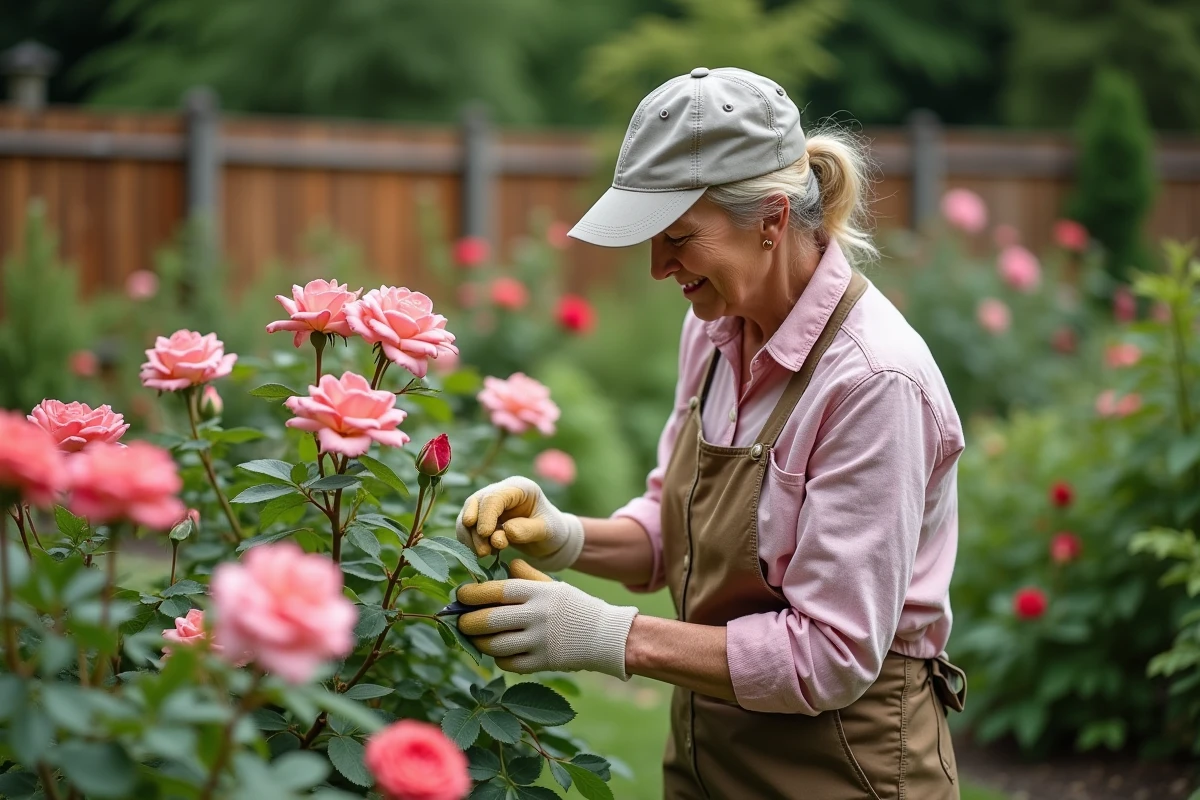
- Regularly pruning shrubs and perennials encourages the appearance of new flowers.
- A layer of compost or organic fertilizer at the beginning of the season nourishes the soil deeply.
- Monitoring plant health allows for quick detection of diseases or pests, acting swiftly while prioritizing natural methods and biodiversity whenever possible.
Evergreen foliage anchors the structure of the garden, providing a visual base even when blooming becomes more discreet. Incorporating elements like borders, planters, or trellises facilitates access to the beds and makes each intervention easier. Designed this way, the garden traverses the seasons without ever losing its energy or appeal.
At every stage, an entire landscape reinvents itself: a moving tableau, where each bloom announces the next, and where the gardener’s hand tirelessly shapes the living balance of the decor.