The absence of a dedicated area for playful activities increases the risk of sedentary behavior in children, even in the presence of a garden. Some equipment, although approved, presents installation constraints that are often overlooked in most households. Current recommendations from specialists emphasize the diversity of setups to stimulate physical and social development, but few families anticipate the need for regular maintenance or the adaptability of the equipment to evolving needs. These elements form the basis of an outdoor play area that is both functional, safe, and durable.
How to envision an outdoor play area that delights children and reassures parents?
A worthy outdoor play area is first conceived as a safe place where children can explore, run, and invent their own adventures, all while remaining under the watchful eye of adults. Choosing the garden as a playground is essential, provided it is clearly marked off by a sturdy fence or defined borders. This separation creates a clear boundary between the play area and the rest of the garden, offering children a concrete reference point. Thanks to the fence, unexpected escapades or unwanted intrusions are a thing of the past: parents can relax, and children can play safely.
It is impossible to overlook shade. Children, caught up in the excitement of play, often forget about the sun beating down. Installing the play area under a generous tree, a pergola, or a shade sail means betting on protection without sacrificing fun. When it comes to equipment, adapt to the age and curiosity of the children. Always look for the mention of European safety standards: it certifies the reliability and sturdiness of elements, from slides to swings to playhouses.
Another point that should never be neglected is parental supervision. Position the play area within sight from the house or terrace. Anticipate the children’s growth: be ready to replace a swing that has become too small, or to add a structure suited to their new desires. If you want to delve deeper into the topic or benefit from expert advice, resources like jardindivert.com provide analyses, feedback, and practical tips for creating an outdoor play area that meets expectations.
Focus on essential equipment and tips for choosing them wisely
Before equipping, it is better to focus on quality. Each play structure deserves a rigorous selection: wood, treated against moisture, withstands the seasons without flinching and integrates naturally into the garden. Metal and plastic options exist, but wood remains the safe bet for a play area that lasts. Before any purchase, check for the presence of European safety standards on product sheets: this marking attests to a design intended for the intensive use by children.
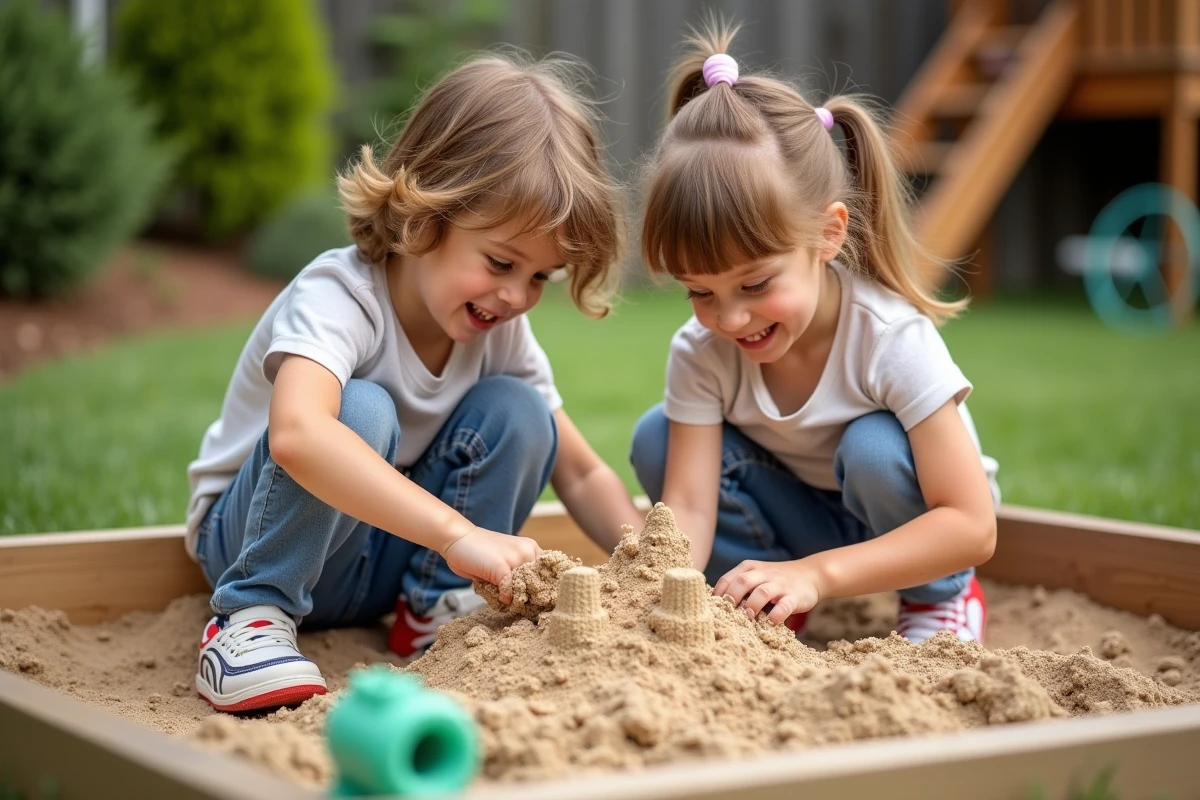
To compose the space, adapt the equipment to the age and preferences of the children. The swings challenge balance, the slide invites daring, the playhouse nurtures imagination and encourages playing together. To vary the pleasures and refine motor skills, add a sandbox. A secure trampoline adds an extra sporty and playful dimension.
The ground requires heightened vigilance. To minimize injuries, prioritize the installation of rubber tiles, wood chips, or dense grass. Under each structure, install a shock-absorbing surface to reduce the impact of falls.
In terms of maintenance, there is no room for improvisation. Regularly inspect the fixtures, replace damaged parts, clean, and treat the wood to keep mold and splinters at bay. This diligence extends the life of the installations while maintaining a clean and safe space for children.

Creative ideas to personalize and evolve your play corner throughout the seasons
An outdoor play area is not just an alignment of modules. It is envisioned as a living, evolving place that grows with your children and adapts to the rhythm of the year. To achieve this, multiply small themed corners in the garden: a sports area, a creative space, a quiet or relaxation corner. This subtle sharing of spaces encourages children to vary their activities and invent new play scenarios.
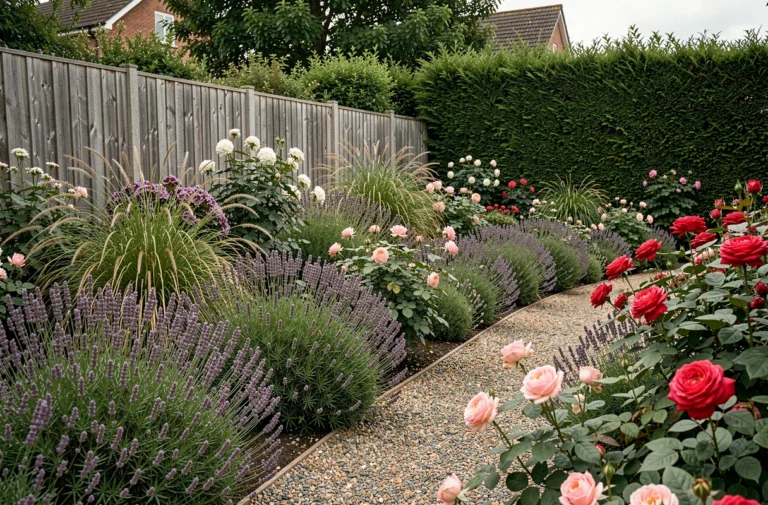
To give depth to the whole, create paths with wood chips or natural stones. These walkways guide movement, delineate the play area, and invite exploration. Add plants and flowers around the play area: they provide shade and coolness, dampen noise, and awaken children’s curiosity. Vegetation weaves a gentle link between the play corner and the rest of the garden.
To accompany the changes of the seasons, do not hesitate to transform the layout. In summer, set up a reading nook in the shade of a tree, with cushions and rugs; in the colder season, replace them with a tent or a warmer shelter. A hammock or a deck chair transforms the space into a relaxation corner. A few mobile accessories, such as a coffee table or sensory bins, are enough to refresh the ambiance.
Here are some simple ideas to implement according to the season:
- In spring, offer age-appropriate gardening activities: sowing, watering, observing insects.
- When autumn arrives, organize treasure hunts or obstacle courses with fallen leaves.
By varying the layouts and activities, interest remains intact, and the play corner transforms into a territory of exploration that is always renewed. With each season, new stories to invent, and at each age, new worlds to conquer.