In some Nordic countries, legislation prohibits installing a kitchen without a closed storage space, under penalty of a fine. Yet, most Parisian apartments combine open furniture and limited surfaces. A well-designed apartment never guarantees a functional space: the accumulation of objects can thwart the best intentions, even in the most stylish interiors.
The configuration of a home sometimes forces unexpected choices. A poorly chosen color or a bulky piece of furniture can make a room feel suffocating. Truly effective solutions do not blindly follow trends but respond to the real constraints of daily life.
Small spaces, big challenges: understanding the issues of interior design
In the city, every centimeter becomes a resource to exploit. Working on interior design in a small space requires examining every nook, rethinking the placement of each piece of furniture, even in the smallest living room or the most compact bathroom. These limits, far from being a hindrance, open the door to ingenious solutions, rethought circulation, better-managed light, and uses adapted to the reality of everyday life.
In a small space, every decision directly influences comfort and the feeling of well-being. Today, interior architecture or renovation projects aim to reconcile beauty and practicality to offer a balanced habitat. Often overlooked, mental health also strongly depends on an orderly, thoughtful, and pleasant living space. The decluttered bedroom, the kitchen designed for efficiency, the bathroom where nothing is left lying around: every detail improves quality of life.
Industry professionals recommend anticipating how one will live in their home, adjusting the space to actual uses. It is about prioritizing solutions that integrate with the architecture: compact furniture, high storage, partial partitions to structure without enclosing. To go further, the platform mon-habitat-web.com offers comprehensive insights on the home and shares tips for rethinking layout or decoration, regardless of the type of housing.
A successful project finds its coherence between space, furniture, and light, without falling into accumulation or extreme minimalism. Finding this balance, whether in the bedroom, living room, or kitchen, has become a priority to make the home easier to live in, more welcoming, and more true to those who inhabit it.
How to make the most of every square meter without sacrificing style?
Optimizing space requires precision: every choice matters and shapes the atmosphere of the place. Multifunctional furniture acts as significant allies. Here are some concrete examples that transform daily life:
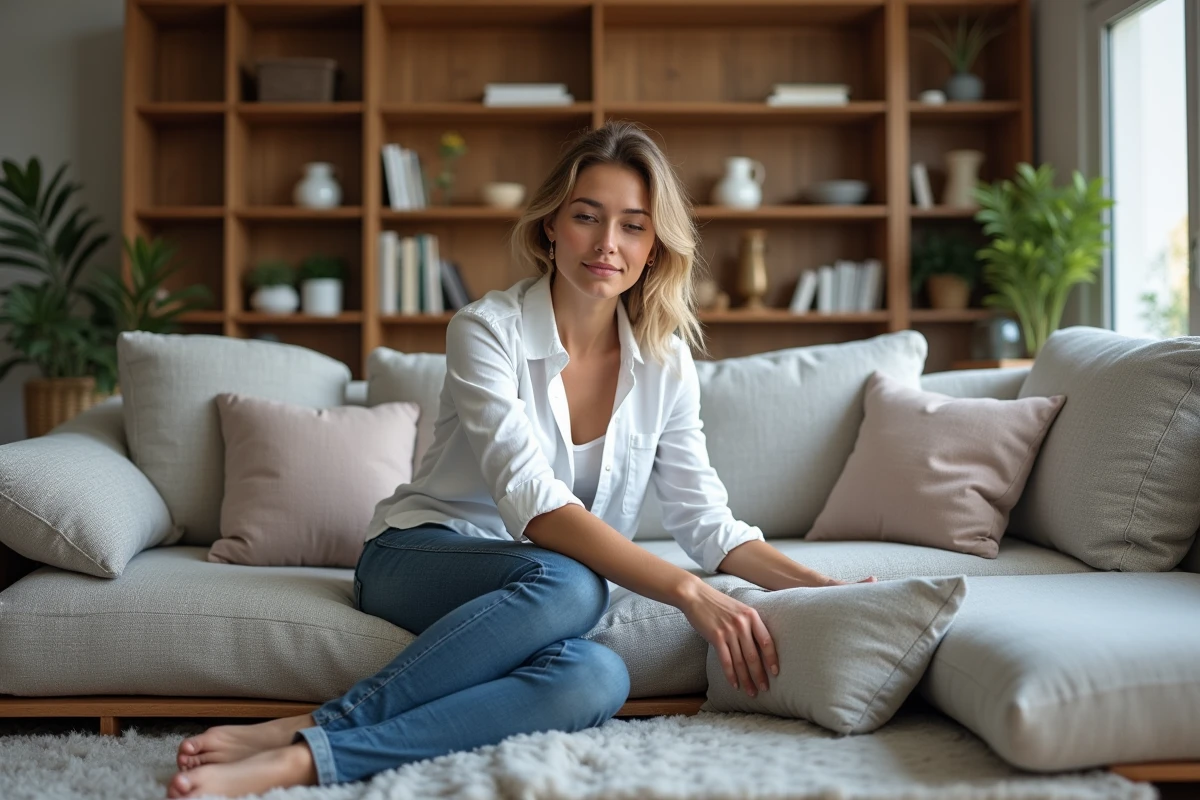
- convertible sofa in the living room,
- lift-top coffee table,
- storage bench for discreet storage.
These solutions, often custom-designed, lighten the view and make the home more flexible.
Structuring without enclosing means revisiting how to delineate space. Lightweight partitions, glass walls, screens, and floating bookshelves redefine living areas without breaking the light. They allow, for example, the creation of a sleeping nook, a workspace, or a dining area, while keeping the volume open and bright. Sliding doors, discreet and practical, facilitate circulation even in the smallest rooms.
Height, often overlooked, is full of potential. Here’s how to exploit it:
- install high storage,
- multiply cabinets up to the ceiling,
- mount wall shelves to free up floor space.
These tips find their place particularly in the kitchen or under a staircase, allowing for better organization without weighing down the overall look.
Bringing together comfort and aesthetics requires examining every detail. Architects and interior decorators know how to combine functionality and elegance to create a harmonious space. Choose materials that complement each other, subdued colors, and well-thought-out furniture suited to the size of the room. The goal? Maximize space without ever losing character.
Colors, light, and decor tips: simple ideas to transform your interior
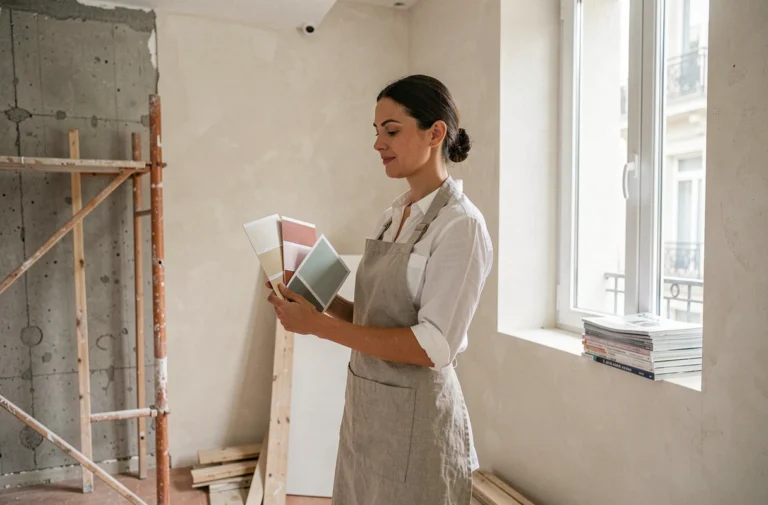
Bring breathability to each room through careful work on colors and light. Light shades, white, beige, pastels, capture light and create a sense of space, especially when they dress walls and large furniture. A more vibrant color, applied to a wall or through a few accessories, can awaken the whole without ever overwhelming it.
Natural light remains the number one asset. Facilitate its entry by choosing light curtains or subtle blinds. Mirrors, placed facing a window or near a light source, amplify brightness and change the perception of volumes in an instant. To vary the ambiance in the evening, multiply pendants and wall sconces instead of settling for a single ceiling light.
Some easy-to-adopt decor tips can enhance the overall harmony of your interior. Natural materials, light wood, stone, linen, ceramics, warm the atmosphere and create a sense of authenticity from the living room to the bathroom. A clean design, inspired by Scandinavian style, highlights essential lines and lightens the room. Arrange a few books, personal items, or soft textiles to anchor the space in your story and create a space that truly reflects you.
A thoughtfully designed interior is never static: it evolves with your desires, needs, and life seasons. Behind every choice lies the promise of a lighter daily life and a space that celebrates both freedom and identity.