Municipal regulations may refuse certain models of crosses on graves, even in the absence of religious or legal prohibitions. Families sometimes encounter unexpected administrative delays for a simple installation, or specific material requirements imposed by the cemetery. The diversity of available crosses does not guarantee compatibility with all funeral arrangements. Behind each choice, symbolic and practical implications intertwine, dictating the agreement between personal will, regulatory constraints, and traditions.
The funeral cross: meaning, heritage, and place in the choice of a monument
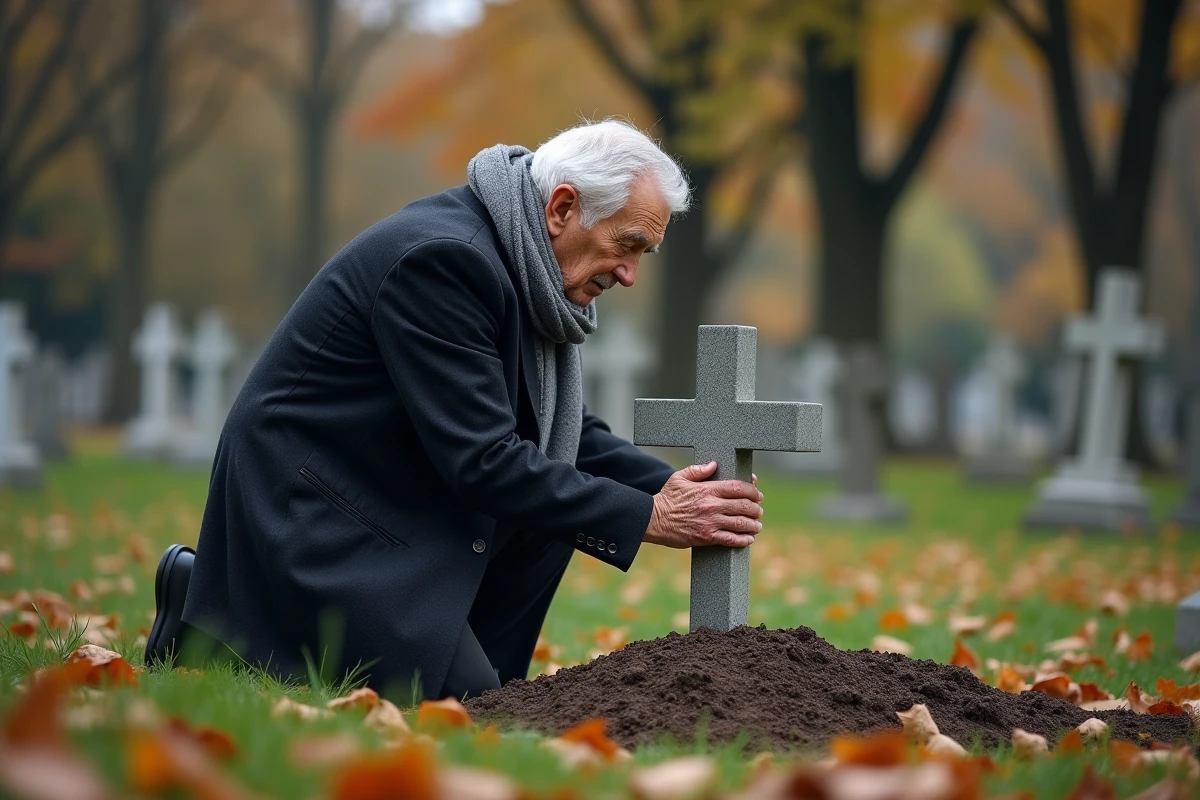
The funeral cross holds a unique place among funeral monuments in France. It is part of a heritage that spans generations, far from being just an ornament placed on the tombstone. Granite, wood, or metal: regardless of the material, the cross opens a discreet dialogue between memory, reflection, and the spiritual journey of the deceased. This symbol brings each family back to its own ties, balancing fidelity to the past with the desire to create a personalized tribute.
Choosing to place a cross signifies one’s presence at the heart of the memorial site. However, before embarking on the concrete process to install a cross for a funeral monument, one must first understand all that it entails: dimensions of the object, anchoring in tradition or marking a more intimate orientation, respect for the deceased as well as their loved ones. Not everyone makes this choice for the same reasons, and sometimes the cross gives way to other symbols or engravings that carry meaning.
From classic monuments to contemporary creations, the act of placing a cross takes multiple forms: individual grave, shared vault, cremation space… Every detail, material, stature, and shape carries intention. Some find it an obvious choice, while others hesitate, weighing the meaning, memory, and each person’s position within the family. The diversity of options ultimately expresses the richness of the stories behind each grave.
What steps and rules are needed to install a cross on a grave?
Choosing to add a cross on a grave is never improvised. The family of the deceased, the town hall responsible for the cemetery, and then the funeral marble company must intervene in a precise sequence dictated by municipal regulations. Nothing can be added to a grave without adhering to this framework.
The first reflex: consult the cemetery regulations. This document determines the height, allowed materials (wood, granite, metal), stability constraints, and sometimes even the aesthetic nuances permitted to ensure the harmonization or safety of the site. If the criteria are strict, it is to protect both the funeral heritage, the tranquility of the places, and safety during operations.
Key steps to follow
To ensure that the installation of a cross goes smoothly, here are the essential steps:
- Confirm your rights to the funeral concession: the request can only come from the holder or their close family.
- Submit a written request to the town hall, presenting the plan, dimensions, and material chosen for the cross.
- Wait after submission: installation can only take place after official approval from the town hall.
- Engage a recognized professional (marble worker or specialized installer) to avoid any technical or administrative issues.
Sometimes, waiting for authorization or an appointment with the marble company takes longer than expected. Hence the importance of anticipating each step to avoid creating a blockage during this sensitive moment for the loved ones. It is better to take the time for a calm agreement and a project developed in total respect of municipal rules.
Tips for customizing and maintaining the cross and ornaments of the monument
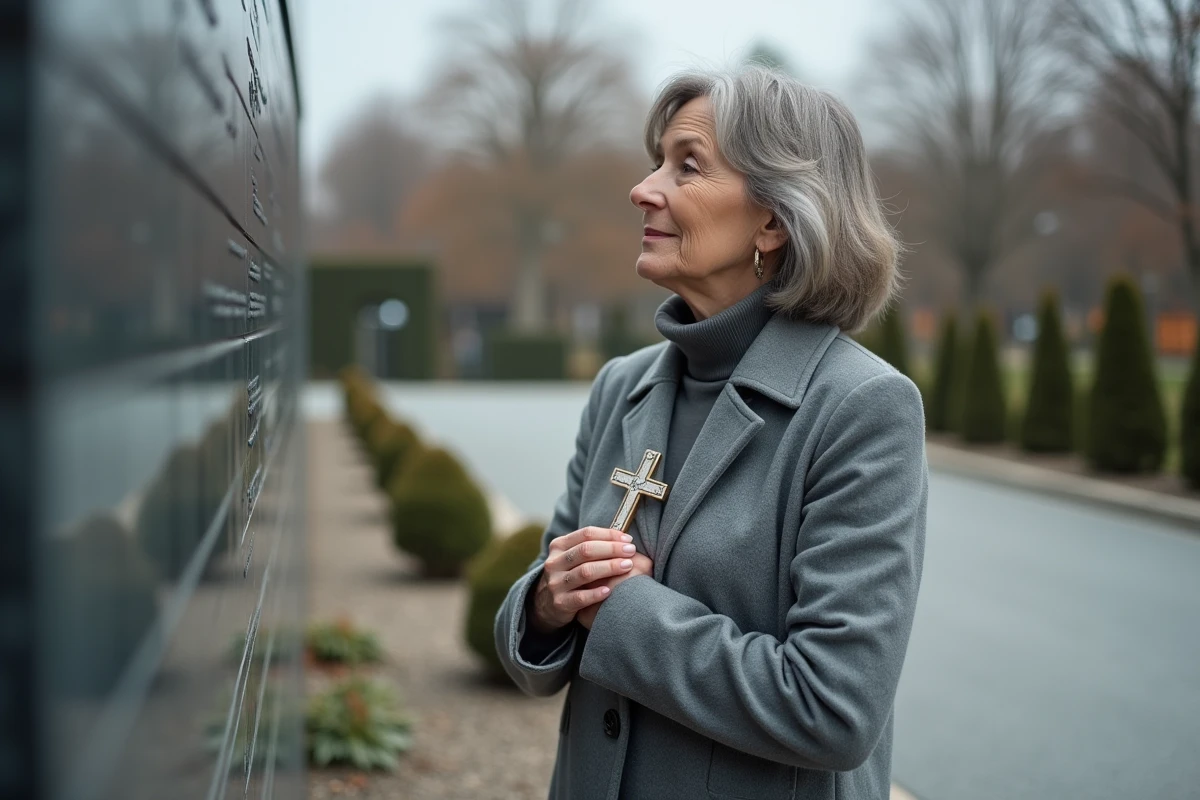
The way to pay a unique tribute to the deceased often involves the customization of the funeral cross or the monument. This means making choices about materials, symbols, engravings, and any detail that may evoke a presence, a specific memory for those who come to pay their respects.
These customization options are primarily found:
- Enhancing the cross with engravings, dates, quotes, or a name, in the form of a simple inscription or an associated plaque: every word engraved in wood or granite keeps the memory alive.
- Installing symbolic elements: motifs, flowers, medallions, candles, or other personalized objects on the tombstone: these gestures add an intimate touch to the grave and resonate with memory well beyond the ceremony.
Maintaining the cross and ornaments
Regularly maintaining the funeral monument is essential to preserve its shine and integrity. On delicate surfaces, clear water and a soft brush are sufficient. In case of material weakening, or if the letters fade, consulting a specialist often proves wise: restoring an inscription or reviving the fixings extends the lifespan of the stele and its cross.
These maintenance gestures, in their simplicity, perpetuate the discreet link between generations, making the monument much more than a place: a tangible connection over time, through the choices, attention, and care of the living.
At each visit to an erected cross, it is not an immobile stone that one finds: it is a memory always ready to resurface, planted there, solid and alive, on the fragile border between yesterday and tomorrow.